The Anatomy of an Invitation People Can Act On
A community invitation can do more than announce a date: learn how to make the purpose, audience, response, and next steps easy to understand.
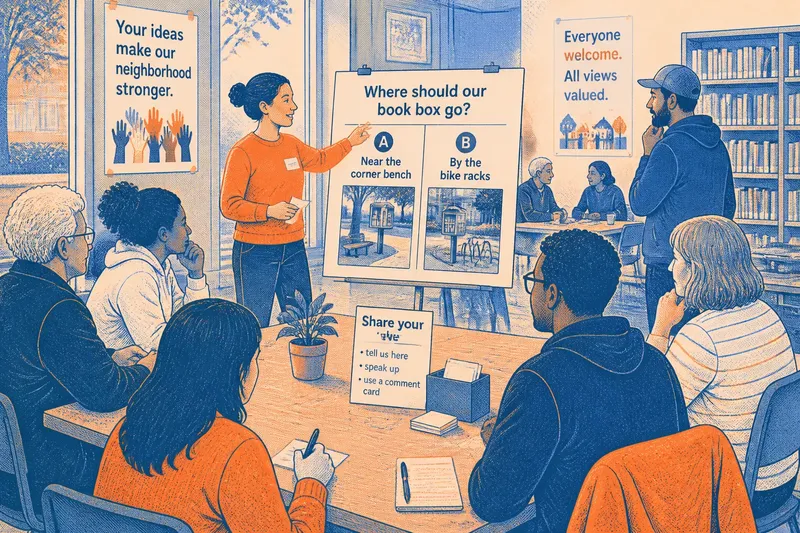
The most common community invitation mistake is treating it like a tiny event notice: name the date, add a cheerful line, and assume the job is done. That can cost an organizer the replies needed to shape the event—and leave invitees unsure whether they are being asked to attend, contribute, or simply pass the message along. A stronger invitation makes the request itself clear.
Before writing, decide what the reader is being invited to do. Is the gathering meant to collect opinions, recruit volunteers, share a decision, or ask neighbors to bring something? That purpose should guide the wording, the reply option, and the information included. The invitation is not just a description of an event; it is a request for a particular kind of response.
Make the invitation’s purpose unmistakable
Open with the action you want a reader to consider. “Tell us which corner should get the new planter” is a more useful invitation than “Join our neighborhood gathering,” if the point is to hear preferences. If the event is primarily social, say that instead of dressing it up as a planning session.
Be precise about what participation means. “Share an idea” may mean speaking in a group, writing on a card, or sending a note beforehand. Name the available ways to contribute, especially if someone can take part without speaking aloud or staying for the whole event.
Keep the invitation’s appeal proportional to the request. If you are asking people to help with a task, name the task and its scope in ordinary language. Avoid implying that attendance commits someone to ongoing work unless that is genuinely expected.
Choose the right audience and sender
Decide who should receive the invitation before choosing where to post it. A note for residents of one building may belong in its lobby or private email group; an open request for local ideas may suit a library bulletin board or neighborhood newsletter. Match the channel to the people who can actually act on the invitation.
The sender matters, too. An invitation about a shared courtyard may carry more context if it comes from the tenant association, while a volunteer request might come directly from the person coordinating the task. Name the organizing group or contact so readers know who is asking and where questions should go.
Say plainly if the invitation is open beyond its main audience. If a meeting is intended for tenants but neighbors are welcome to observe, explain that distinction. If space or another condition limits attendance, state the limit and how people can ask about it rather than relying on insider knowledge.
Write a response route that fits the request
A response option should match what organizers need to learn. If you need a head count, ask people to RSVP. If you need suggestions, offer a reply address or a simple form with a prompt. If no response is needed, say that people can simply arrive. One clearly monitored route is better than several that may be overlooked.
Tell readers what to include and what will happen next. For instance, a sign-up request can ask for a name and the task a person prefers, then explain when the coordinator will confirm assignments. Do not request personal details that are not needed to manage the invitation.
For a printed invitation, use a readable email address or phone number and state who checks it. For a digital notice, use a descriptive link label and make sure the link opens the intended form or event page. If the event is open to walk-ins, say so beside the RSVP instruction.
Keep invitation details useful, not exhaustive
Include the date, start and end time, venue, and the practical details that affect a person’s choice to respond. Add an arrival cue if a building has more than one entrance, and mention materials or preparation only when attendees need them. A long block of logistics can bury the actual request.
Describe the event’s format in a sentence: “We’ll review the proposed mural locations, collect written comments, and leave time for questions.” This sets an honest expectation without pretending every discussion will follow a rigid script. If plans are still being settled, identify what is confirmed and what may change.
Imagine a block club wants residents to choose between two locations for a shared book box. The organizer has a Saturday meeting in a library room, wants input rather than volunteer commitments, and needs a way to count attendees. The organizer writes, “Help us choose a location for the Cedar Avenue book box at the block club meeting this Saturday in the library’s Oak Street room. We’ll compare two proposed spots; you can share a view aloud or on a comment card. Please email Jordan if you plan to come so we can set out enough cards; no ongoing volunteer role is expected.” The invitation names the decision, the available contribution, and the limited purpose of the RSVP, so readers can decide whether to attend without mistaking input for a commitment.
What should an invitation tell people before they reply?
How do I make a request feel welcoming rather than demanding?
Use a direct invitation and name the choice involved: people can attend, offer an idea, or decline without explanation. Avoid language that suggests a neighbor owes the group their time or agreement.
Should I include an agenda?
Include a brief description of the main activity when it helps readers decide. A short sequence is usually enough; reserve a detailed agenda for situations where participants need it to prepare.
When should an invitation ask for an RSVP?
Ask for one when a response changes a practical plan, such as materials, seating, or task assignments. State the requested reply and why it helps; if no advance response is needed, make that clear.
What should I do if the invitation details change?
Send a correction through the original channel and highlight the changed information, such as the new venue or time. Repeat the event name and date so readers can connect the update to the right invitation.
Check the message before it goes out
Read the draft as someone who has never attended an event run by the group. Can that person tell what the invitation asks of them, who is welcome, what participation involves, and how to respond? If not, revise the missing point rather than adding another line of general encouragement.
- Purpose: Check that the first lines name the requested action; if they only praise the event, rewrite them to state what readers can do.
- Audience: Check that the intended recipients are named; if the wording could sound exclusive or unclear, state who is welcome and any genuine attendance condition.
- Commitment: Check whether the invitation implies a role beyond attending; if it does, name that role or clarify that no continuing commitment is expected.
- Response route: Check that the contact or form is monitored and works; if it is unavailable or unclear, replace it with one reliable method and identify who receives replies.
- Logistics: Check the date, time, place, and arrival instructions against the organizer’s current information; if any item conflicts, confirm it with the responsible person before sending.
- Next step: Check whether readers know what happens after replying; if confirmation or follow-up is needed, say who will provide it and what the reply should contain.
Then ask someone outside the planning group to read the invitation. Ask them to point to the request, the audience, and the response route—not to polish the tone. Their questions can reveal assumptions that organizers stopped noticing.
A useful community invitation gives neighbors a real choice with enough context to make it. Keep the purpose and response route easy to find, and preserve the final version so a later update stays consistent with what people were first asked to do.